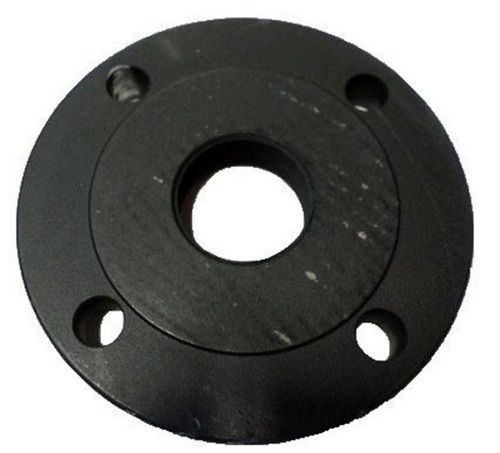
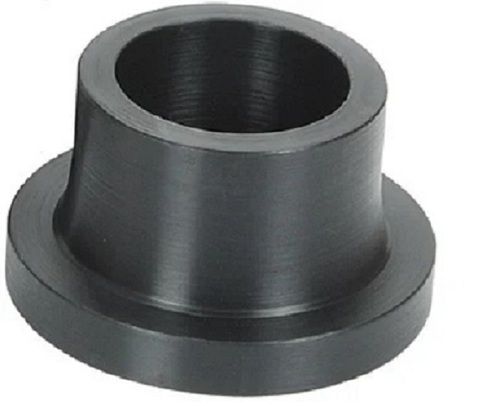
About Slipon Flange
- They need on low pressure temperature environments
- They are leak-proof
- Installation cost is low
- It allows easier alignment of bolting holes because of its smaller thickness
- One size is appropriate for all pipe schedules
Durability and VersatilitySlip-on flanges are engineered to stand up to harsh industrial conditions, providing reliable connections in pipeline applications. Their lifespan ranges from 10 to 20 years, depending on environmental exposure and use. With precision in manufacturing, these flanges handle a wide range of pressures and temperatures, making them suitable for petrochemical, oil & gas, and water systems alike.
Quality Assurance and StandardsEvery slip-on flange is subjected to rigorous ultrasonic, hydrostatic, and dimensional inspections to ensure optimal integrity and performance. Produced as per ANSI, ASME B16.5, DIN, JIS, and BS standards, they meet international requirements for safety and compatibility. The available surface finishes and rust-proof coatings further extend their operational lifespan and maintain appearance.
Installation and CustomizationDesigned for easy installation, these flanges feature welded/pipe slip-on end connections and are available in diameters ranging from 1/2 inch to 36 inch. Their bolt holes are precisely drilled for secure fastening, and they support standard gasket use for leak-proof sealing. Length and thickness can be customized upon request, supporting diverse pipeline needs.
FAQ's of Slipon Flange:
Q: How are slip-on flanges installed in pipeline systems?
A: Slip-on flanges are installed by slipping them onto a pipe and welding them in place at the pipe end. The precise bolt hole configuration ensures a secure fit with the mating flange, enabling reliable alignment and a leak-proof joint. Compatibility with standard gaskets also aids in sealing.
Q: What surface finishes are available for these slip-on flanges?
A: Available surface finishes include shot blasted, mirror finish, and rust-proof oil coating. These finishes enhance their corrosion resistance and aesthetic appearance, significantly improving longevity and performance in aggressive environments.
Q: When should I choose a raised face (RF) or flat face (FF) flange?
A: Raised face (RF) flanges are typically selected for high-pressure and high-temperature applications due to their better sealing capabilities. Flat face (FF) flanges are used when mating with another flat surface, often where the connected equipment or pipe cannot support concentrated loads.
Q: Where can slip-on flanges be used effectively?
A: Slip-on flanges are commonly used in pipeline connections for petrochemical plants, water supply systems, and oil and gas industries. Their robust design, corrosion resistance, and compatibility with various standards make them suitable for critical applications across multiple sectors.
Q: What inspection methods are used for quality assurance during manufacturing?
A: Each slip-on flange is inspected using ultrasonic testing, hydrostatic pressure testing, and dimensional inspections. These methods ensure that the flanges meet specified safety, mechanical, and dimensional criteria before they are dispatched for installation.
Q: What benefits do these flanges offer over other connection types?
A: Slip-on flanges are renowned for their easy installation, precise bolt hole alignment, leak-proof sealing, and compatibility with standard gaskets. Their corrosion-resistant finishes and adaptability to various pipe sizes and materials ensure reliable, long-term performance.





 English
 Spanish
 French
 German
 Italian
 Chinese (Simplified)
 Japanese
 Korean
 Arabic
 Portuguese
 Send Inquiry