
KISANKRANTI AGRO INDUSTRIES
GST : 08ARAPM2693L1ZE

Call us
08045816381
Call us
08045816381
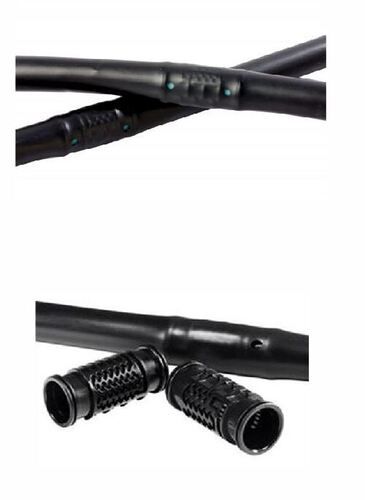

Providing you the best range of Agricultural HDPE Pipe Fittings i.e. Adapter, EP Reducer Welded, Pipe Coupler, Tail Socket, Pipe Black Coupler and KP End Cap with effective & timely delivery
Precision Irrigation for Diverse Crops
Engineered for efficiency, this drip pipe is suitable for vegetables, row crops, orchards, and horticulture. Its customizable emitter spacing and flow rates (2, 4, or 8 LPH per emitter) ensure tailored water delivery, optimizing plant growth while conserving resources. The UV-resistant material withstands harsh climates and extended service life.
Versatile and Durable Design
Constructed with high-quality HDPE, LLDPE, or polyethylene, the pipe is available in black with a distinctive blue stripe for quick identification. Its robust construction allows a working pressure of up to 2.5 kg/cm and bursting pressure above 3.2 kg/cm, making it reliable for long irrigation runs (up to 400 m).
Flexible Installation and Application
This system is designed for manual, semi-automatic, or pump-based irrigation setups, adaptable to surface or subsurface installation. Packaged conveniently in rolls or coils, its easy to transport and deploy for various applications, including greenhouses, polyhouses, and open fields.
| Usage/Application | Irrigation Fittings, Pipe Fitting |
| Packaging Type | Box |
| Color | Black |
| Usage | Agriculture |
| Material | Plastic, HDPE |

Price:
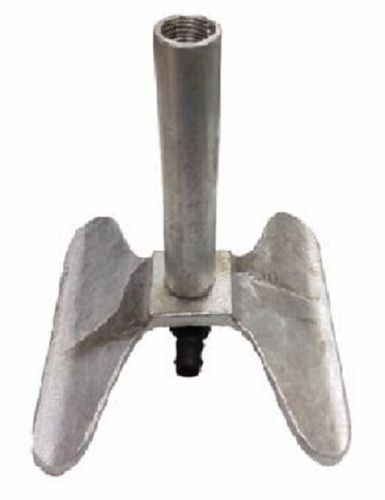
Price 450 INR / Piece
Minimum Order Quantity : 10 Pieces
Usage : Micro Irrigation in Gardens, Lawns, Agricultural Fields
Material : Other, Aluminum
Product Type : Drip Garden Nozzle Stand
Application : Drip Irrigation, Garden Watering
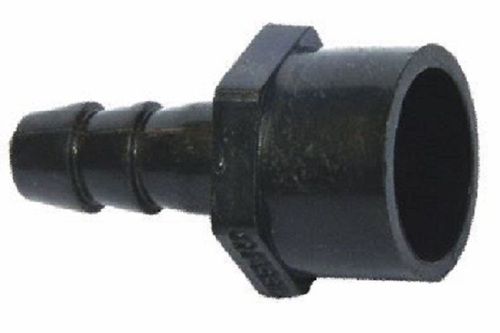
Price 2.20 INR / Piece
Minimum Order Quantity : 10 Pieces
Usage : Connecting Drip Irrigation Pipes
Material : Other, HighQuality Plastic
Product Type : Drip Adopter Plain
Application : Joiner for Drip Irrigation Lateral Pipes
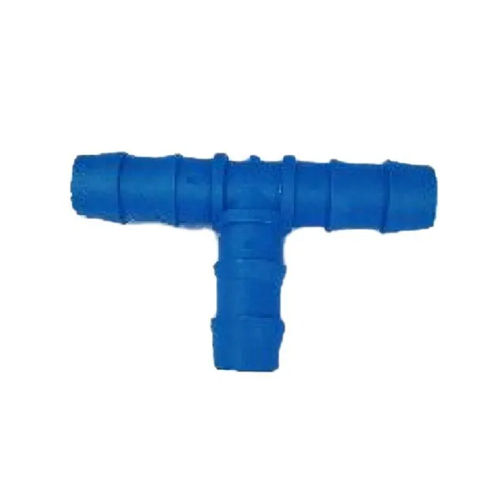
Price 50 INR / Unit
Minimum Order Quantity : 100 Units
Usage : In Drip Irrigation
Material : Plastic
Product Type : Other

Price 500 INR / Piece
Minimum Order Quantity : 1 Unit
Usage : Industri
Material : Plastic
Product Type : 1 Inch Ball Valve Female
Application : Agriculture

 English
 Spanish
 French
 German
 Italian
 Chinese (Simplified)
 Japanese
 Korean
 Arabic
 Portuguese
 Send Inquiry

